
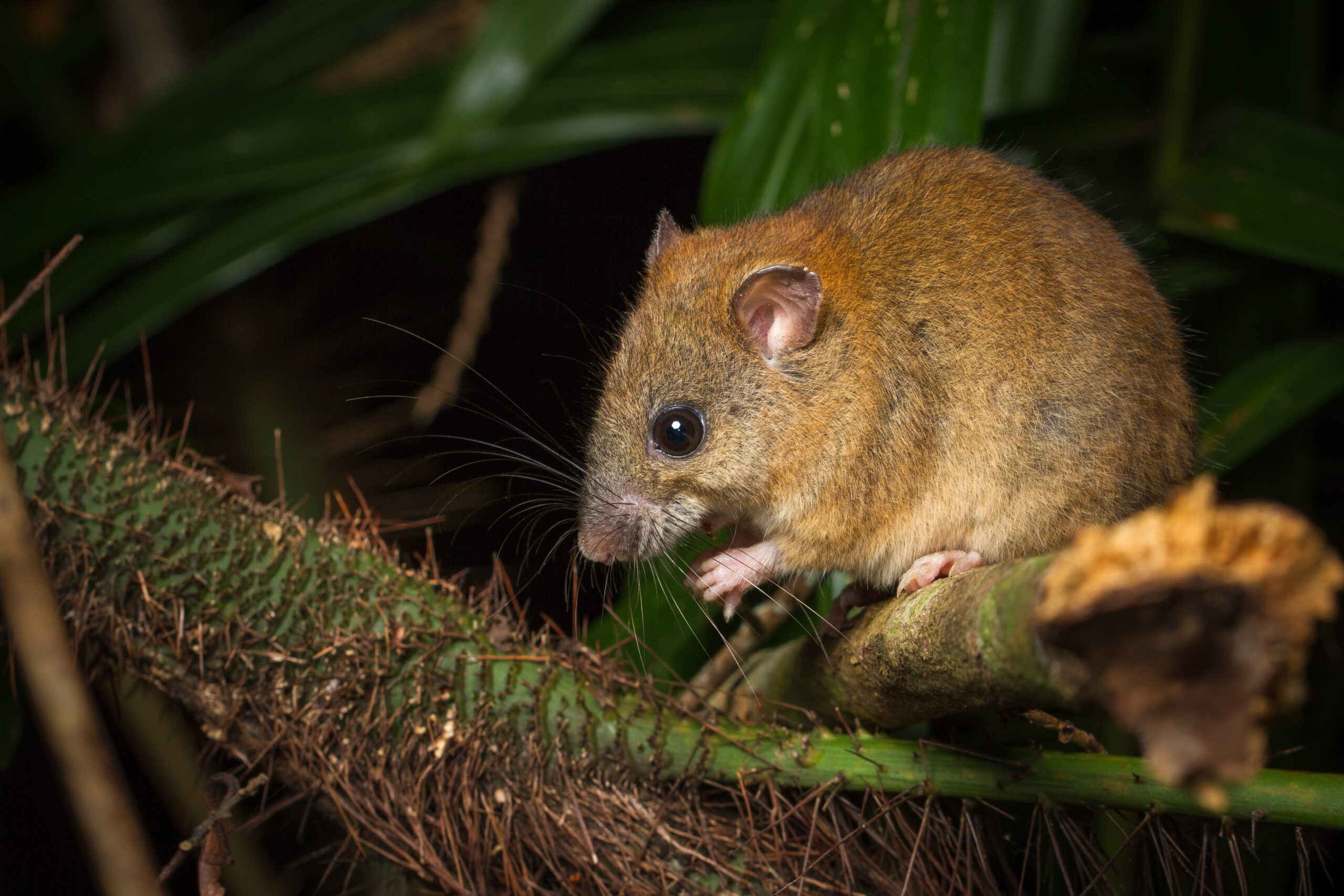
On a tiny, low-lying island at the tip of Australia’s Great Barrier Reef, a small brown rodent once scurried among the vegetation. Known as the Bramble Cay melomys, it lived nowhere else on Earth.
Today, it is gone. Declared extinct in 2019, the Bramble Cay melomys holds a tragic title: the first known mammal to be wiped out by human-driven climate change.
A Species on the Edge
Bramble Cay is a sandy island, just a few football fields wide, barely rising above sea level. For centuries, the melomys thrived there—feeding on vegetation, nesting in burrows, and forming part of a delicate ecosystem.
But its home was fragile. And as seas rose and storms intensified, that fragility turned deadly.
The Cause: Rising Seas and Human Pressure
Scientists traced the melomys’ extinction to:
- Rising sea levels that flooded the island, washing away plants and nesting grounds
- Increasing storm surges that destroyed habitat more frequently
- Human-driven climate change—the underlying force behind the rising waters
By the time researchers returned in the 2010s, the once-abundant population had vanished. Not a single melomys could be found.
Why This Matters
The Bramble Cay melomys may have been small and relatively unknown, but its extinction is a warning for all of us:
- Islands and coastal habitats are some of the most vulnerable places on Earth
- Species with tiny ranges can disappear quickly once climate pressures hit
- Climate change isn’t theoretical—it is already erasing life from our planet
A Lesson for the Future
The loss of the Bramble Cay melomys is heartbreaking. But it’s not the end of the story. It’s a call to action:
- Protect habitats before they reach the tipping point
- Cut emissions to slow the pace of sea-level rise
- Support conservation efforts for species on the brink
- Listen to scientists and Indigenous knowledge that often warn of risks before they unfold
Every species matters. And every action we take now shapes whether more stories end like that of the melomys.
Remembering the Melomys
The Bramble Cay melomys reminds us that climate change is not just about charts, temperatures, or future projections. It’s about lives—fragile, interconnected, and irreplaceable.
We have a choice: to let this be just the first of many such losses, or to make it a turning point where we say enough.
The world doesn’t need to lose more to wake up. Let the melomys be the last “first.”