
Important project news from around the planet
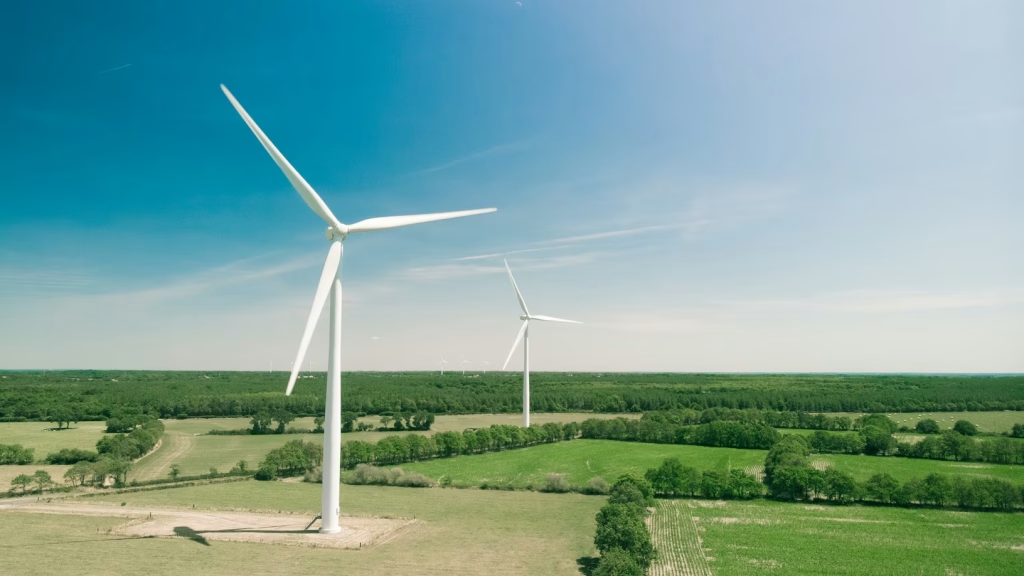
UK Sets New Monthly Wind Generation Record — A Big Boost for Clean Energy
In a powerful sign of momentum in the clean energy transition, the United Kingdom has just set a new monthly wind generation record — producing more electricity from wind than ever before in a single month.
It’s a milestone worth celebrating, not just for engineers and policymakers, but for everyone thinking about cleaner air, greener jobs, and a future powered by renewable energy.
UK Packaging Pact: Over 50 Businesses Sign Up to Pact Ahead of Launch
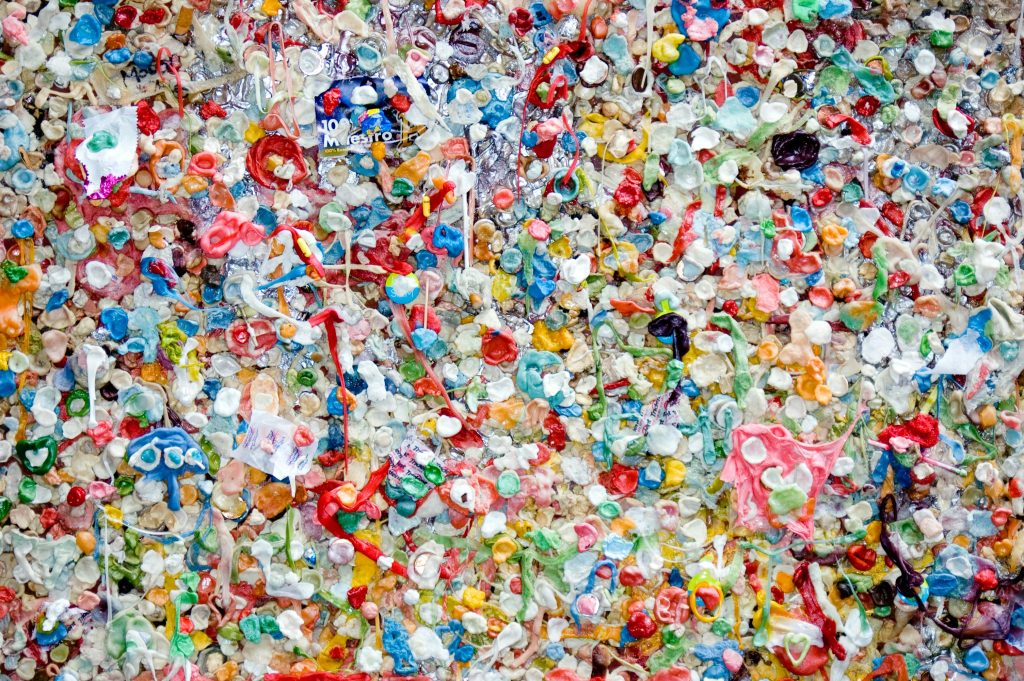
Imagine a world where packaging isn’t waste, but part of a circular system — designed to be reused, recycled, or kept in use rather than thrown away. The UK is taking a meaningful step in that direction. Ahead of its official launch in April 2026, more than 50 businesses have already signed up to the new UK Packaging Pact, a bold initiative aimed at transforming how packaging is designed, used, and recovered across the country.
This isn’t just another sustainability slogan. It’s a collaborative, real-world effort to tackle packaging waste — one of the everyday environmental challenges affecting nature, climate and our communities.

Microplastics in the UK Human Food Chain Are Part of a Much Bigger Problem
Tiny pieces of plastic are now turning up in places they were never meant to be — including the food we eat. In the United Kingdom, studies have detected microplastics in seafood, salt, drinking water, and even everyday staples.
It sounds alarming. And it matters.
But microplastics in our food aren’t an isolated crisis — they’re a symptom of something much larger.
UK Government Mandates Solar Panels for Most Newly Built Homes Under Revised Future Homes Standard
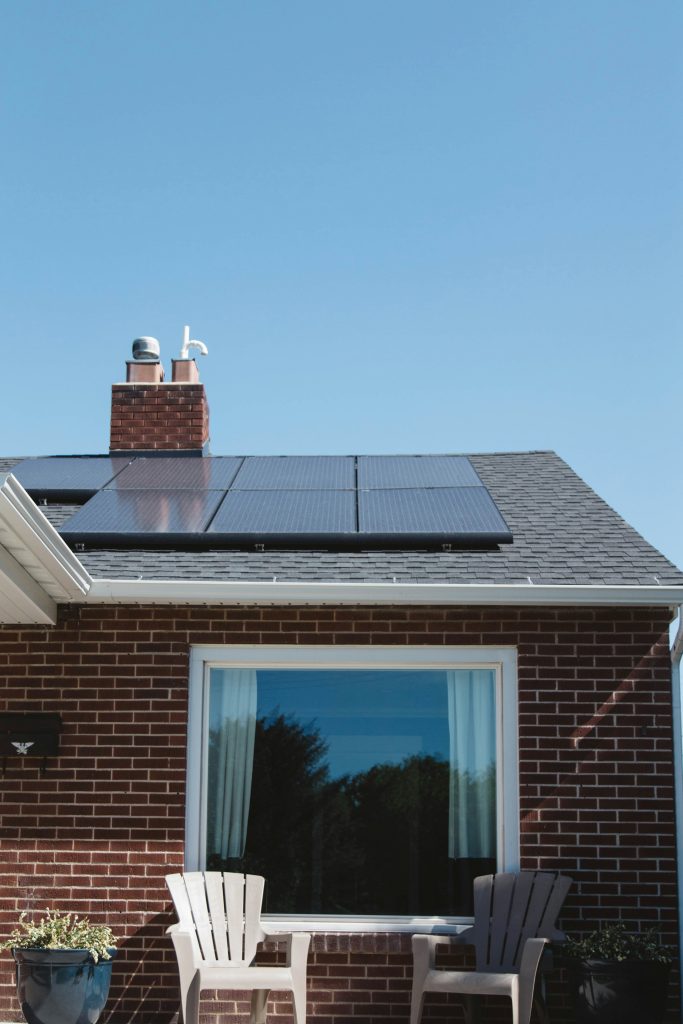
Imagine turning the rooftops of new houses across the UK into tiny power stations — generating clean energy right where people live, cutting bills and reducing carbon emissions at the same time. That’s exactly the vision behind the UK government’s updated Future Homes Standard, which will see most new homes built with rooftop solar panels as the default.
This marks a big moment in the country’s journey toward cleaner, greener living — and a future where energy innovation and everyday life go hand in hand.
Oxford United Kicks Off Plans for the UK’s First All-Electric Sustainable Stadium
In a move that’s turning heads across sport and sustainability circles alike, Oxford United Football Club has unveiled plans for what could become the United Kingdom’s first all-electric, truly sustainable football stadium.
This isn’t just about shiny new facilities — it’s about reshaping how sport and community spaces can lead on climate action.

Ireland Leads the Way With the EU’s New Carbon Farming Framework
Farming has always been about working with the land. Now, it’s also becoming a powerful tool for climate action.
Ireland is stepping into a leadership role by helping shape and roll out the European Union’s carbon farming framework—a system designed to reward farmers for storing carbon in soils, hedgerows, and landscapes. It’s a shift that could change how food is grown across Europe—and beyond.
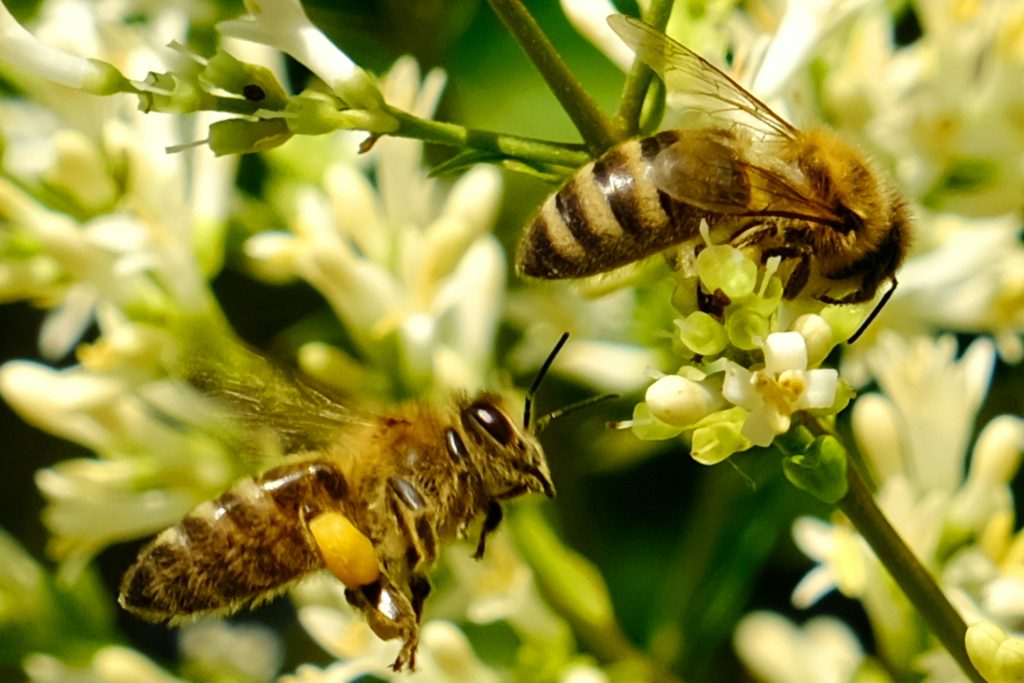
Scientists Cook Up a New “Superfood” That Helps Honeybees Thrive
Honeybees are small, but their role in our world is enormous. They pollinate crops, support wild plants, and help keep food systems alive. Yet in many places, bees are struggling—hit by habitat loss, pesticides, disease, and climate stress.
Now, scientists have developed something unexpectedly simple and promising: a new “superfood” designed to help honeybees survive and thrive.
And it’s giving conservationists a real reason for hope.
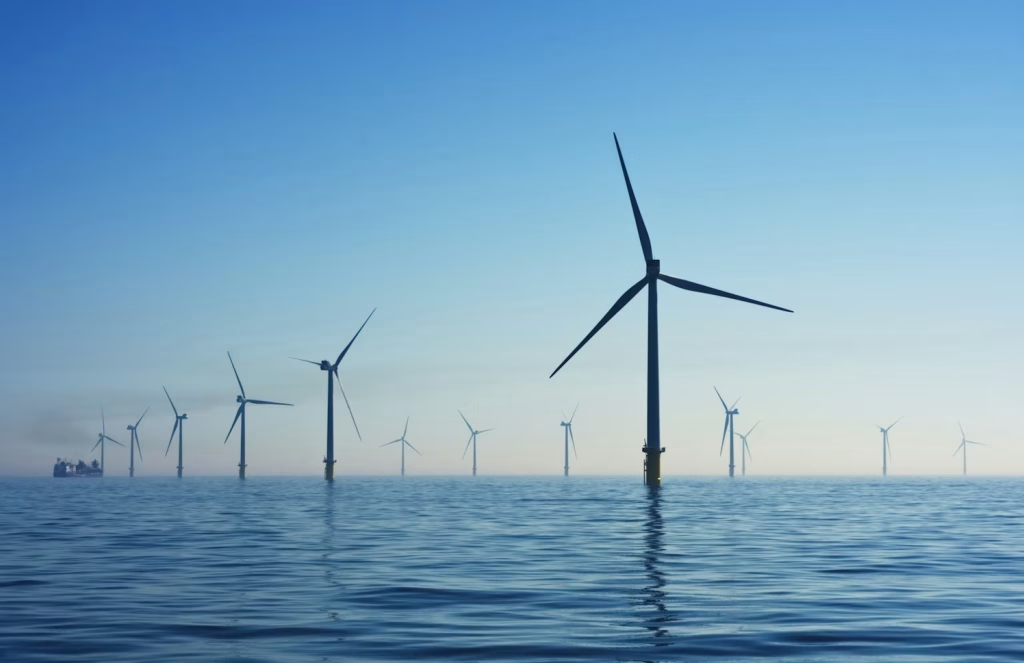
Renewable Power Generation Surpasses Coal Globally for the First Time
This is one of those moments that will be looked back on as a turning point.
For the first time in modern history, renewable energy has generated more electricity globally than coal. Sun, wind, water, and other clean sources are now producing more power than the fuel that powered the industrial age.
It didn’t happen overnight. But it did happen because people, communities, and countries chose change.
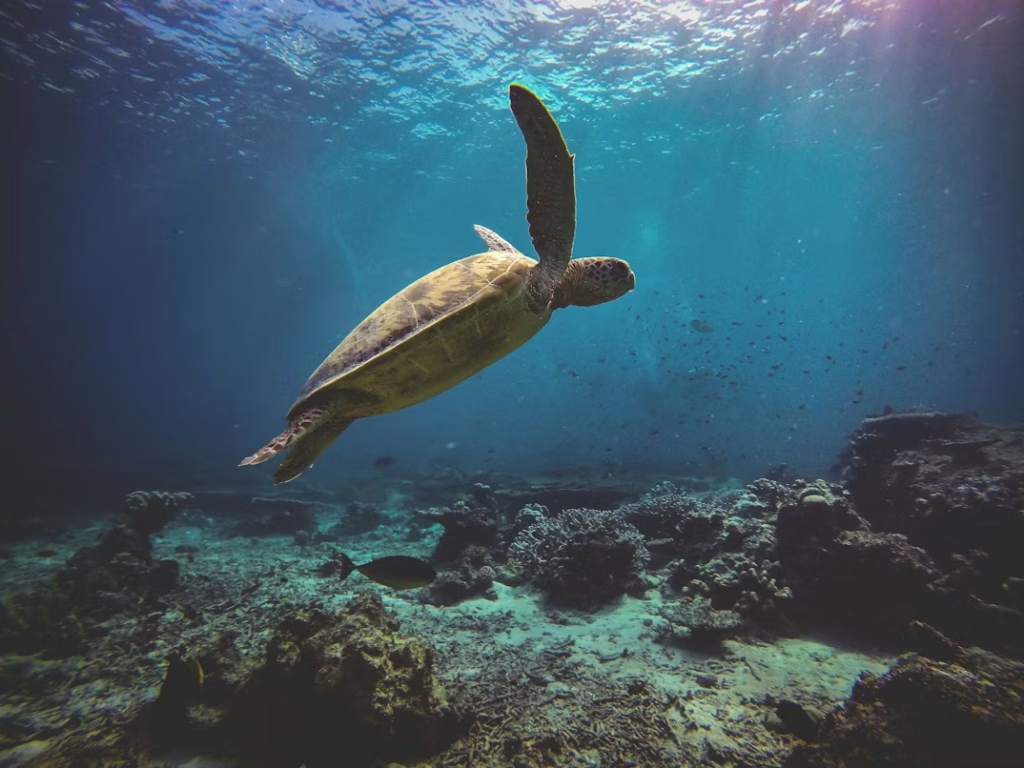
Green Turtle Bounces Back from the Brink in a Conservation ‘Win’
Sometimes the world gives us a reminder that recovery is possible — and the story of the green sea turtle is one of those rare, energising moments. After decades spent on the edge of extinction, this ancient ocean traveller is making a remarkable comeback thanks to people, communities, and countries choosing to protect what matters.
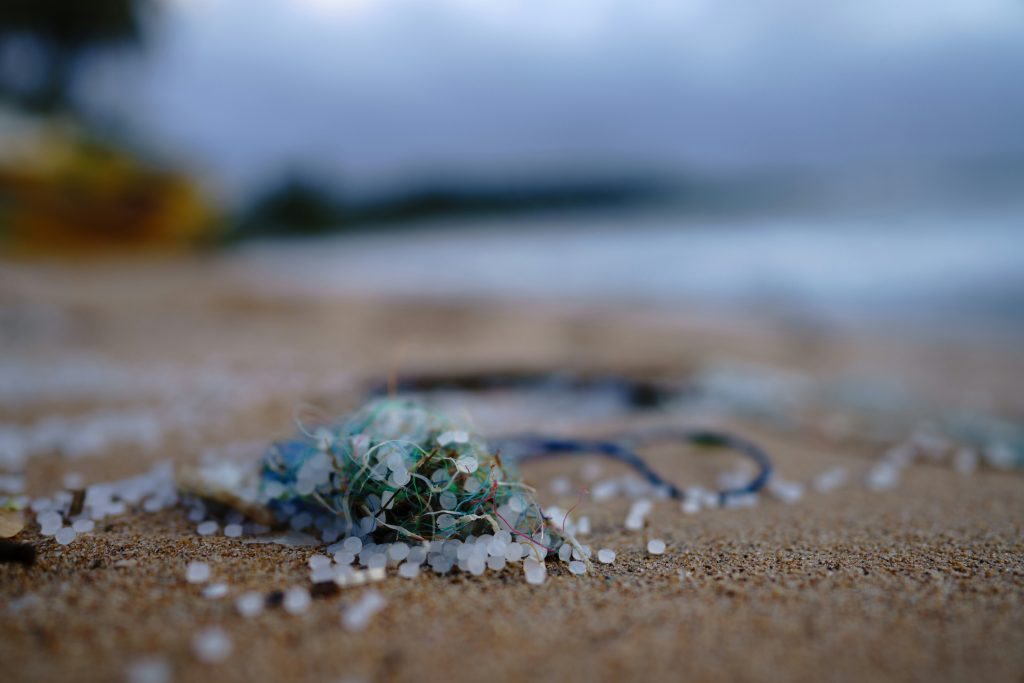
A 3D-Printed Robot Fish Designed by a UK Student Is Sucking Microplastics From Waterways
Microplastics are everywhere — in rivers, lakes, oceans, and even in the air we breathe. They’re tiny, hard to clean up, and harmful to wildlife. But a group of inventive students has created something surprisingly charming to tackle the problem:
a 3D-printed robot fish that swims through the water and sucks up microplastics as it goes.
It’s simple. It’s brilliant. And it’s a glimpse of what the next generation of climate problem-solvers can do.
Take the
Earth2036 Pledge
“I care about the future of the Earth. I believe that we need to act—together and urgently—to protect the planet for future generations. I pledge to stay informed, speak up, and support efforts to build a more sustainable world by 2035.”