
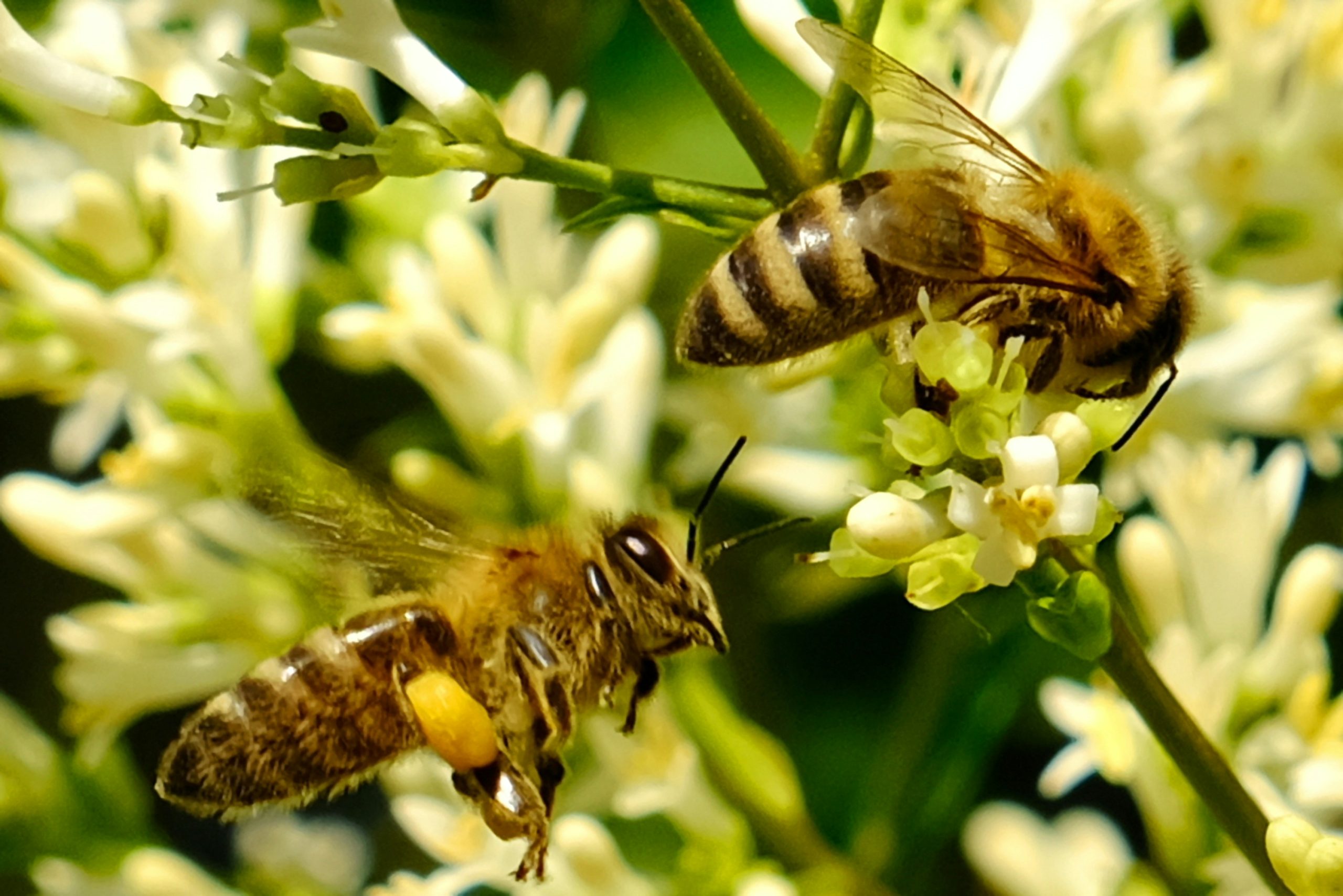
Honeybees are small, but their role in our world is enormous. They pollinate crops, support wild plants, and help keep food systems alive. Yet in many places, bees are struggling—hit by habitat loss, pesticides, disease, and climate stress.
Now, scientists have developed something unexpectedly simple and promising: a new “superfood” designed to help honeybees survive and thrive.
And it’s giving conservationists a real reason for hope.
Why Bees Need Help
Bees don’t just need flowers—they need the right nutrition. In modern landscapes, natural pollen diversity is shrinking. Vast monoculture farms and urban sprawl mean bees often eat a limited, unbalanced diet.
That poor nutrition weakens their immune systems, making them more vulnerable to disease and environmental stress.
What Is the Bee “Superfood”?
Researchers have created a nutritionally complete food that mimics the key elements bees normally get from a healthy, diverse range of flowers.
The idea is simple:
- Provide essential proteins, fats, and micronutrients
- Support strong immune systems
- Improve colony resilience during food shortages
Beekeepers can use it when natural forage is scarce—such as early spring, droughts, or after habitat loss.
Importantly, it’s designed to support, not replace, natural ecosystems.
Early Results Are Encouraging
In trials, bees fed the new supplement:
- Lived longer
- Showed stronger resistance to disease
- Maintained healthier colonies during tough conditions
It’s not a miracle cure—but it’s a powerful tool in a growing conservation toolkit.
Why This Matters Beyond Bees
Healthy bees mean:
- Stronger food security
- More resilient ecosystems
- Better pollination for wild plants and crops
When bees struggle, entire ecosystems feel the impact. Helping them helps all of us.
Technology and Nature, Working Together
This innovation shows that protecting nature doesn’t always mean choosing between science and the environment. Sometimes, the best solutions come from combining human ingenuity with a deep understanding of natural systems.
But the message is clear: we can’t feed our way out of the pollinator crisis alone. Protecting habitats, reducing harmful chemicals, and planting diverse flowers still matter—deeply.
What You Can Do
You don’t need a lab coat to help bees:
- Plant native flowers that bloom across seasons
- Avoid pesticides in gardens and public spaces
- Support local beekeepers and conservation groups
- Share hopeful stories like this one—they inspire action
Small choices add up, especially when millions of people make them together.
A Sweeter Future Is Possible
A bee superfood won’t solve every challenge honeybees face. But it shows something important: we’re learning, adapting, and trying.
And in a world where pollinators are under pressure, that effort could make all the difference.
Because when bees thrive, life does too.